




A Complete Guide to Soil Health Management for Higher Crop Productivity
Healthy crops begin long before a seedling appears above the ground. They begin in the soil. When soil has good structure, active biology, balanced nutrients and enough organic matter, roots can explore more freely, water is used more efficiently and plants are better placed to cope with everyday stress. That is why soil health management has become one of the most important subjects in modern agriculture.
For farmers, dealers, agronomists and crop-input professionals, soil health is not an abstract idea. It directly affects rooting, nutrient availability, crop uniformity, flowering, fruit development and ultimately the quality and consistency of the harvest. A practical soil-health programme therefore needs more than a single product. It should bring together organic carbon, humic substances, beneficial microorganisms, balanced NPK nutrition and important secondary and micronutrients according to soil and crop requirements.

What Does Soil Health Management Mean?
Soil health management is the process of maintaining or improving the physical, chemical and biological condition of soil so that it can support productive crops over the long term. In practical terms, healthy agricultural soil should have a structure that permits air and water movement, enough organic matter to support biological activity, suitable nutrient availability and a living microbial population that contributes to nutrient cycling.
A crop may still grow in tired or imbalanced soil, but the production system often becomes more dependent on repeated corrective inputs. The better approach is to treat soil as a living production resource and build a programme that supports it throughout the season.
Why Soil Health Matters for Crop Productivity
Roots are the bridge between the plant and its growing environment. If the root zone is compacted, biologically weak, low in organic matter or nutritionally imbalanced, the crop cannot use water and applied nutrients as efficiently as it should. Good soil conditions can support deeper and more branched roots, better nutrient interception and more stable plant growth.
Four areas deserve special attention:
- Soil structure: A stable, porous soil makes it easier for roots to expand and improves movement of air and water.
- Organic matter and carbon: Organic carbon is closely linked with biological activity and the soil's capacity to hold and exchange nutrients.
- Microbial activity: Beneficial microorganisms participate in nutrient cycling and help create a more active rhizosphere.
- Balanced nutrition: Nitrogen, phosphorus, potassium, calcium, magnesium, sulphur and micronutrients each play different roles in plant development.
Product-Derived Keyword Research from the Unicrop Biochem Portfolio
The Unicrop Biochem product catalogue reveals several strong search themes that closely match real farmer information needs. Instead of focusing on a single commercial name, this article is built around the broader keyword soil health management, supported by product-related informational phrases that can attract readers earlier in the buying journey.
| Keyword Cluster | Search Intent | Relevant Unicrop Portfolio Areas |
|---|---|---|
| soil health management | Informational / commercial research | Humic Acid, Organic Carbon, biofertilizers, crop nutrition |
| humic acid for soil | Problem-solving | Humic Acid 12%, 18%, 60%, 98% |
| organic carbon fertilizer | Commercial research | Organic Carbon WSP / WISP |
| biofertilizer for nutrient uptake | Informational | Azoto, Azospi, PSB, KMB, Rhizo, NPK microbial products |
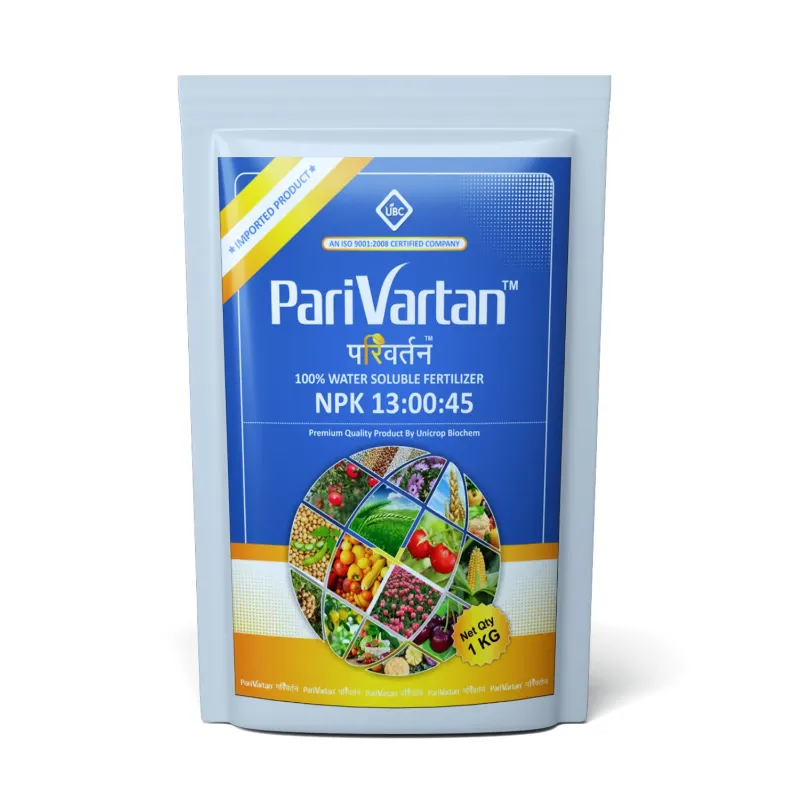
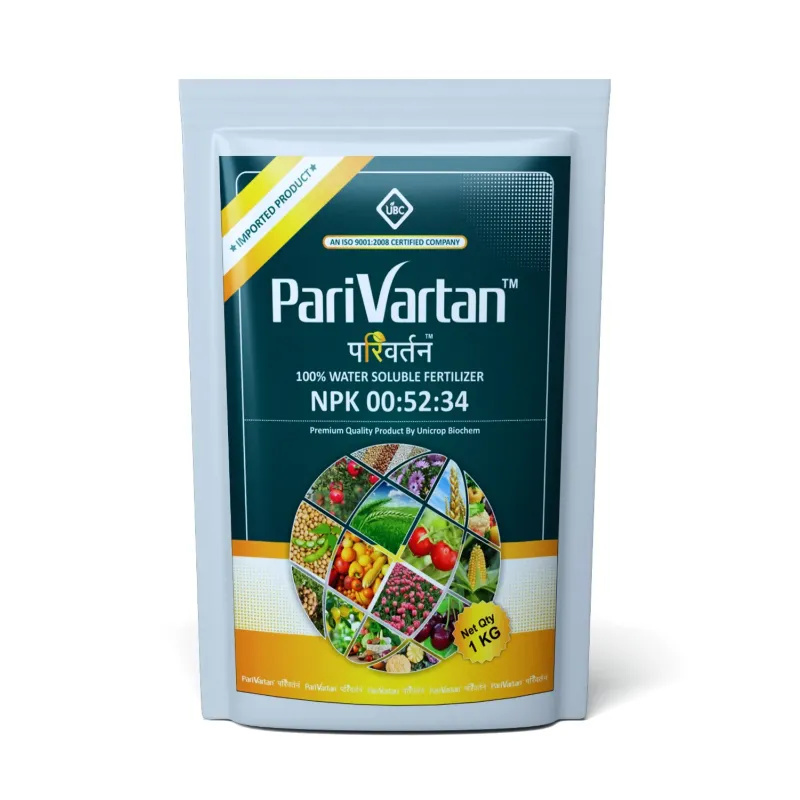
| balanced NPK fertilizer | Commercial / educational | NPK 19-19-19, 20-20-20, 13-40-13, 13-00-45, 00-52-34 |
| micronutrients for crops | Educational / product research | Chelated Zinc, Ferrous, Copper, Boron and mixed micronutrients |
1. Build the Foundation with Organic Carbon
One of the most useful ways to think about soil improvement is to begin with carbon. Organic carbon supports soil biological processes and contributes to aggregation, moisture relationships and nutrient-holding behaviour. Where organic matter is repeatedly removed or where soils receive little organic input, the root zone may become less resilient over time.
Unicrop Biochem's catalogue includes Organic Carbon WSP and Organic Carbon WISP, which fit naturally into a broader soil-health strategy. The exact programme should always be selected according to soil test results, crop stage and agronomic advice rather than by assuming that one input can correct every soil limitation.
2. Use Humic Substances as Part of a Root-Zone Strategy
Humic substances are widely used in crop nutrition programmes because they are associated with soil conditioning and nutrient interactions. Unicrop Biochem lists multiple humic acid grades, including Humic Acid 12%, Humic Acid 18%, Humic Acid 60% and Humic Acid 98%. That range gives formulators and agricultural users flexibility when building crop-specific programmes.
Humic acid should be viewed as one component of an integrated plan. The strongest results generally come from combining attention to soil carbon, irrigation quality, root-zone biology and balanced fertilization rather than relying on one material alone.
3. Strengthen the Rhizosphere with Biofertilizers
The rhizosphere—the narrow zone of soil influenced by plant roots—is biologically active and strategically important. Beneficial microorganisms can participate in nutrient transformations around roots, which is why biofertilizers have become a key part of sustainable crop nutrition.
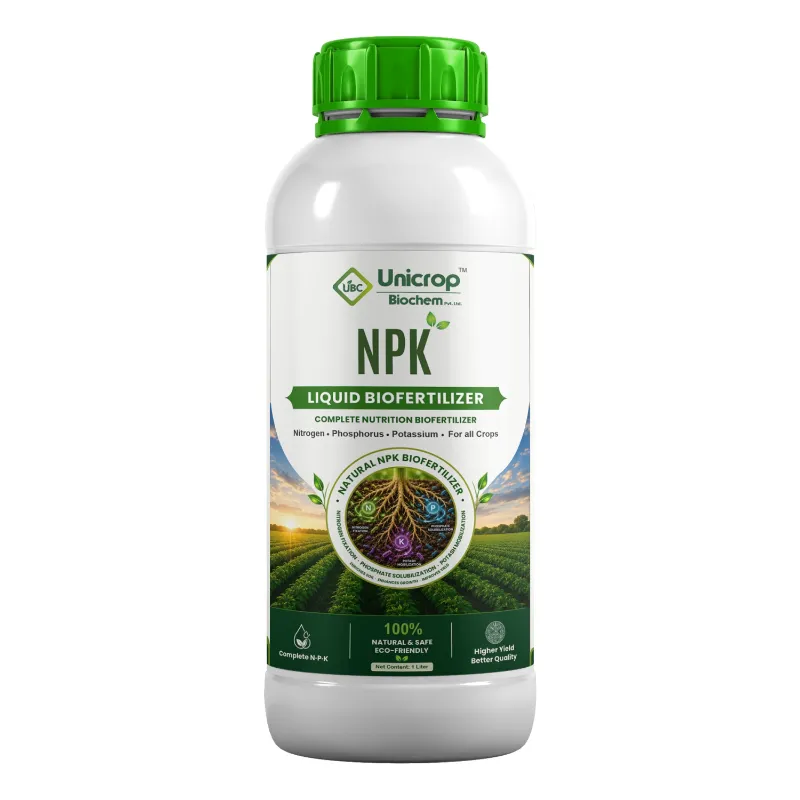
The Unicrop portfolio includes several microorganism-focused products and formats, including Azoto, Azospi, PSB, KMB, Rhizo and NPK microbial formulations in liquid, WSP and WISP forms. Their names reflect different functional categories commonly used in agriculture, such as nitrogen-related, phosphorus-solubilizing and potash-mobilizing microbial inputs.
When biological products are used, storage, water quality, compatibility and application timing matter. Farmers should follow the approved label and local agronomic recommendations so that living microbial inputs are handled in a way that protects their effectiveness.
4. Match NPK Nutrition to Crop Stage
Nitrogen, phosphorus and potassium are all essential, but crops do not need them in exactly the same ratio at every stage. That is why the Unicrop catalogue contains a broad range of NPK and water-soluble fertilizer grades, including NPK 19-19-19, NPK 20-20-20, NPK 13-40-13, NPK 13-00-45, NPK 00-52-34, potassium nitrate, mono-potassium phosphate and mono-ammonium phosphate.
A balanced grade may be suitable when the crop requires broad nutritional support, while higher-phosphorus or higher-potassium formulations may be selected for particular developmental stages. The correct choice depends on the crop, soil test, water test, yield target, climate and existing fertility programme.
Why stage-specific nutrition matters
Plants allocate energy differently during vegetative growth, root establishment, flowering, fruit set and maturity. A nutrient plan that follows crop demand can help avoid both deficiency and unnecessary over-application. It also makes the fertility programme easier to evaluate because the purpose of each input is clear.
5. Do Not Ignore Calcium, Magnesium, Sulphur and Micronutrients
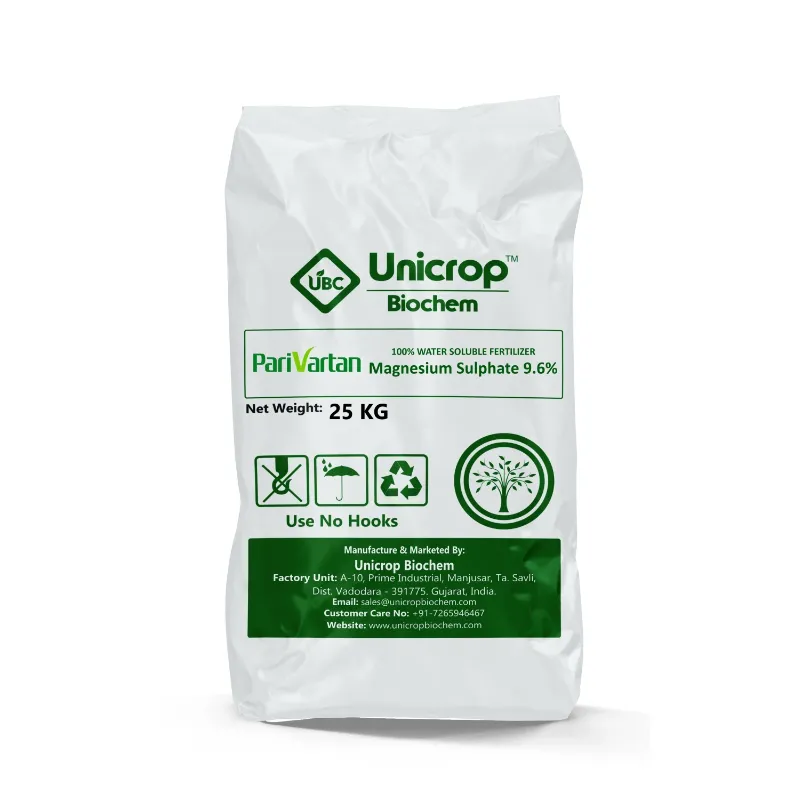
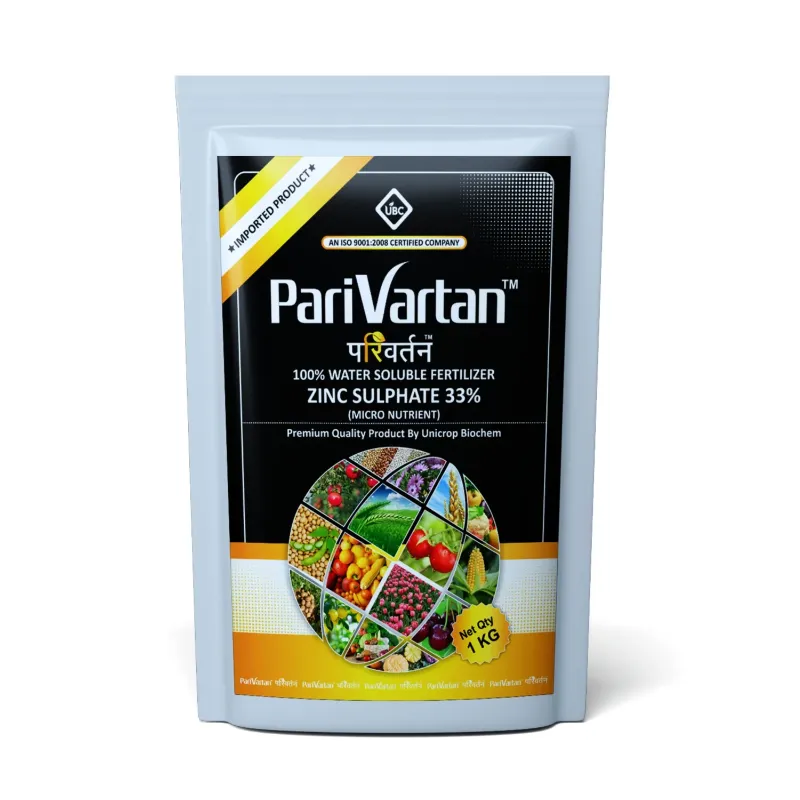
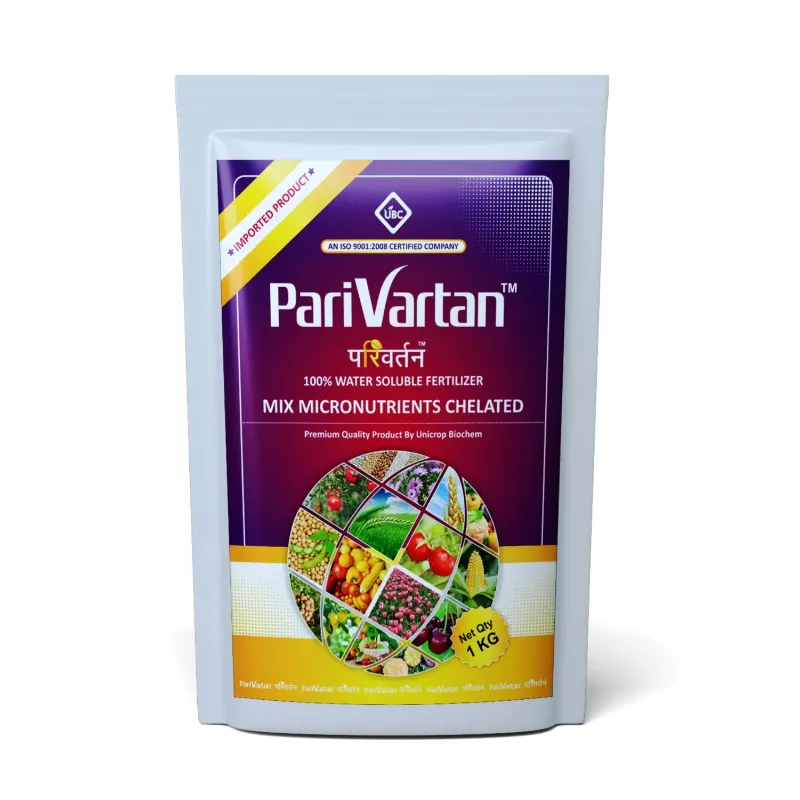
Macronutrients receive most of the attention, but secondary and micronutrients can become limiting even when NPK levels appear adequate. The Unicrop product list includes Calcium Nitrate, Magnesium Sulphate 9.6%, Sulphur 90% WDG, Zinc Sulphate 33%, Boron 20% DOT, Chelated Zinc 12% EDTA, Chelated Ferrous 12% EDTA, Chelated Copper 12% EDTA and mixed chelated micronutrients.
The important point is not to apply every nutrient at once. Instead, diagnose likely limitations and use the appropriate source where a genuine need exists. Soil and tissue testing can make micronutrient decisions far more precise.
6. Manage Water as Part of Soil Health
Water management and soil management cannot be separated. Poor drainage can reduce oxygen in the root zone, while excessive drying can restrict nutrient movement and biological activity. In water-limited conditions, improving soil organic matter and root development can help the crop make better use of available moisture.
Unicrop Biochem also lists hydrogel and super-absorbent polymer products. Such materials may have a role in specific production systems, but their suitability should be assessed according to soil type, crop, irrigation method, salinity and local recommendations.
7. Use a Systems Approach Instead of Chasing Quick Fixes
A common mistake in crop management is to treat each visible symptom as an isolated problem. Yellowing leaves may be linked to nutrition, water stress, root damage, pH, disease or several factors at the same time. Weak flowering may not be solved simply by adding more fertilizer. Poor rooting may relate to soil structure, salinity, irrigation or biological stress.
A more reliable process is:
- Test the soil and, where relevant, irrigation water.
- Review the previous crop and fertilizer history.
- Inspect root health and soil structure.
- Identify the most likely limiting factors.
- Select products that address those factors.
- Apply according to label directions and agronomic recommendations.
- Monitor the crop and adjust the programme using field observations and test data.
How Unicrop Biochem's Portfolio Fits into a Soil-Health Programme
The breadth of the Unicrop Biochem catalogue makes it possible to build programmes across several layers of crop production rather than relying on a single input category. The portfolio includes humic acids, organic carbon products, microbial biofertilizers, NPK grades, potassium and phosphorus fertilizers, calcium and magnesium sources, sulphur products, chelated micronutrients, surfactants and plant-support products.
For distributors and agricultural professionals, this breadth also creates an opportunity to position products around farmer problems. Instead of presenting an isolated SKU, it is more useful to explain whether the product is intended to support soil condition, root biology, nutrient supply, foliar efficiency, flowering or another defined agronomic objective.
A Practical Seasonal Soil-Health Checklist
- Before planting: review soil test results, organic matter status, pH, EC and previous crop history.
- At establishment: focus on root-zone conditions, phosphorus availability, microbial support where appropriate and uniform irrigation.
- During vegetative growth: maintain balanced NPK supply and watch for early micronutrient symptoms.
- Before flowering and fruit set: reassess potassium, phosphorus, calcium, boron and other crop-specific requirements.
- During fruit development: maintain balanced potassium, calcium and irrigation while avoiding abrupt nutritional changes.
- After harvest: review crop performance, residue management and ways to rebuild organic matter for the next cycle.
Frequently Asked Questions
What is the best way to improve soil health?
There is no single best input for every field. The most effective approach usually combines soil testing, organic matter management, suitable biological inputs, balanced fertilization, good irrigation and crop-specific agronomy.
Is humic acid enough to improve poor soil?
Humic acid can be part of a soil-improvement programme, but it should not be treated as a replacement for correcting pH, salinity, compaction, nutrient deficiency, drainage or organic-matter problems.
What is the role of biofertilizers in soil health?
Biofertilizers contain beneficial microorganisms used to support biological nutrient processes around roots. Their performance depends on correct product selection, storage, application and field conditions.
Should farmers use one NPK grade throughout the season?
Not necessarily. Nutrient demand changes with crop stage, and the most suitable NPK ratio depends on crop needs, soil fertility and the rest of the nutrition programme.
Why are micronutrients important if the crop already receives NPK?
Plants require small quantities of micronutrients, but a deficiency can still limit growth or quality. Micronutrient applications should ideally be guided by symptoms, soil tests or tissue analysis.
How often should soil be tested?
The ideal frequency depends on crop intensity, soil variability and management system. Commercial growers commonly use regular testing to track changes rather than waiting for serious problems to appear.
Conclusion: Healthy Soil Is a Long-Term Production Asset
Soil health management is not about replacing one fertilizer with another. It is about making every input work within a better production system. Organic carbon supports the soil environment, humic substances can complement root-zone management, biofertilizers support biological processes, and balanced macro- and micronutrients supply the crop according to need.
Unicrop Biochem's portfolio spans these major areas, giving farmers, formulators and agricultural distributors multiple tools for building more complete crop-nutrition programmes. The most important step is to match those tools with real field conditions and verified crop requirements.
Looking for crop-specific nutrition or soil-health solutions? Explore Unicrop Biochem's product range and speak with an agronomy professional to design a programme suited to your crop, soil and production goals.