




Two farmers apply the same NPK dose to the same crop. One field stays green and even; the other shows patchy growth and yellowing leaves. Very often the difference sits below the surface, in how well the soil holds water and nutrients and how freely the roots can feed. That is where humic acid for plants earns its place. It is not a fertilizer in the usual sense, but it helps the fertilizer you already apply work harder.
This guide explains what humic acid is, how it works in the soil, which crops and soils respond best, and how to apply it through soil, drip and foliar spray without wasting product. You will also find mixing precautions, a simple comparison with fulvic acid, and a checklist for choosing a good product.
What Is Humic Acid?
Humic acid is one of the main components of humus, the dark and stable organic matter that forms when plant and animal residues break down over many years. It is not a single chemical. It is a family of large, carbon-rich molecules with many active sites that can hold water, attract nutrients and bind to soil particles. Soils that are naturally dark and crumbly owe part of that character to humic substances.
Where Commercial Humic Acid Comes From
Most agricultural humic acid is extracted from leonardite, a soft, brown, oxidised form of lignite that is naturally rich in humic substances. Peat, lignite and well-matured compost are other sources. During manufacturing, the raw material is usually treated with an alkali such as potassium hydroxide to draw out the humic fraction, which is why many powder and flake products are sold as potassium humate.
Humic Acid, Fulvic Acid and Humin
Soil scientists divide humic substances into three groups based on how they dissolve in water:
- Humic acid dissolves in alkaline conditions but settles out when the solution turns strongly acidic.
- Fulvic acid is made of smaller molecules that stay dissolved at any pH.
- Humin does not dissolve at any pH and stays bound to soil minerals.
This difference matters in the field. It explains why humic acid can turn into sludge in an acidic spray tank, a point we return to in the mixing section below.
Forms Available to Farmers
Humic acid is sold as liquids, granules and soluble powders or flakes. The percentage on the label tells you how much humic material the product contains, so a 12% grade and a 98% grade are applied at very different rates. Unicrop Biochem, for example, offers Humic Acid 12%, 18%, 60% and 98% along with Leonardite extracts, so growers can pick a grade that suits their crop, farm size and irrigation setup.
How Humic Acid Works in Soil and Plants
Humic acid acts on three fronts at the same time: the physical structure of the soil, the chemistry that holds nutrients, and the biology around the roots. Understanding these three effects makes it easier to decide when and how to use it.
Better Soil Structure and Water Holding
Humic molecules help bind fine soil particles into small crumbs, or aggregates. In heavy clay soils this improves pore space, so air and water move more freely and roots push through with less effort. In sandy soils it helps the soil hold on to moisture between irrigations. In both cases, roots get a more comfortable place to grow.
Holding Nutrients Where Roots Can Reach Them
Humic acid carries many negatively charged sites. These raise the soil's cation exchange capacity (CEC), which is its ability to hold positively charged nutrients such as potassium, calcium, magnesium and ammonium. Instead of washing below the root zone after heavy rain or over-irrigation, more of these nutrients stay within reach. Humic acid also forms loose complexes with micronutrients like iron and zinc, helping keep them in a form plants can take up. This is especially useful in high-pH soils, where these elements are easily locked up.
Stronger Roots and a Livelier Root Zone
Studies on humic substances have reported hormone-like effects that encourage root branching and more fine root hairs. A larger, finer root system explores more soil and draws more water and nutrients. Humic acid also improves conditions for beneficial soil microbes, which is one reason it pairs so well with biofertilizers.
Key Benefits of Humic Acid for Plants and Farmers
The benefits build on one another. Better soil supports better roots, and better roots make better use of fertilizer. Here is what that typically looks like on the farm.
| Benefit | What it means for your crop |
|---|---|
| Better fertilizer use efficiency | More of the applied nutrients stay in the root zone and reach the plant instead of being lost |
| Stronger early root growth | Quicker establishment after sowing or transplanting |
| Improved water retention | Plants cope better between irrigations, especially on light soils |
| Better micronutrient availability | Fewer deficiency symptoms, such as yellowing between leaf veins, in high-pH soils |
| Looser, better-aerated soil | Easier root growth in compacted or heavy clay fields |
| More active soil biology | A better environment for beneficial microbes, including those added through biofertilizers |
| Steadier crop under stress | A larger root system helps plants handle transplant shock and short dry spells |
One point deserves to be said plainly. Humic acid supplies very little nitrogen, phosphorus or potassium on its own. Treat it as a soil conditioner and biostimulant that improves the return on your fertilizer, not as a replacement for it. Results also depend on soil type, product quality and application method, so it is wise to compare a treated strip with an untreated one before scaling up.
Which Crops and Soils Benefit Most?
Almost every crop can respond to humic acid, but the most rewarding humic acid uses in agriculture are on fields where the soil itself is holding growth back.
Sandy and Low-Organic-Matter Soils
Light soils drain quickly and hold few nutrients. Humic acid helps them retain both water and fertilizer, which makes it valuable for crops grown under drip irrigation on sandy, red or degraded soils where organic matter has run low after years of intensive cropping.
Alkaline, Calcareous and Compacted Soils
In high-pH black soils and calcareous soils, zinc and iron are often present but locked in forms plants cannot use. Humic acid helps keep more of them available. In compacted fields, it supports better crumb structure so roots can grow deeper.
High-Value and Long-Duration Crops
Vegetables such as tomato, chilli and onion, fruit crops such as pomegranate, grapes and banana, and long-duration crops such as sugarcane and cotton draw heavily on soil nutrients over the season. In these crops, healthier roots and better fertilizer efficiency can show up as more uniform plant stands and better-quality produce.
How to Use Humic Acid: Application Methods and Timing
The right method depends on the product form and your irrigation system. There is no single humic acid dosage that fits every product, because the rate depends on concentration. Always follow the dose printed on the label or the advice of your agronomist rather than a general figure from the internet. A rate that suits a 12% liquid would be far too high for a 98% grade.
Soil Application
Granules and powders can be mixed with the basal fertilizer dose or with well-decomposed farmyard manure and spread evenly before sowing or planting. A second application during active vegetative growth helps maintain the effect. Apply to moist soil and work it into the root zone rather than leaving it on dry, dusty ground.
Drip Irrigation (Fertigation)
Water-soluble humic acid suits drip systems well. Dissolve it completely in a separate container first, filter the solution, and inject it during the middle part of the irrigation cycle so the lines are flushed with clean water at the end. Split the season's total dose into smaller, regular applications instead of one heavy shot.
Foliar Spray
Light foliar sprays are often used during vegetative growth, before flowering and during fruit development. Spray in the early morning or late afternoon, use clean water, and stay within the label rate, because stronger mixes do not give proportionally better results. For foliar feeding, many growers prefer fulvic-rich products, as their smaller molecules move into the leaf more easily.
Seed and Seedling Treatment
Some growers soak seeds or dip seedling roots in a dilute humic solution before sowing or transplanting to support early root development. Use only products and rates meant for this purpose, since seeds are far more sensitive than established plants.
| Method | Best stage | Practical tip |
|---|---|---|
| Soil (granules or powder) | Basal dose and active vegetative growth | Mix with FYM or basal fertilizer for an even spread |
| Drip / fertigation | Through the season in split doses | Pre-dissolve, filter and flush the lines afterwards |
| Foliar spray | Vegetative growth, pre-flowering, fruit development | Spray in cool hours at the label rate |
| Seed or seedling dip | Before sowing or transplanting | Use only dilute solutions recommended for seed use |
Mixing Humic Acid with Fertilizers and Biofertilizers
Humic acid combines well with most farm inputs, but a little care at the mixing stage prevents blocked drippers, clogged nozzles and wasted product.
Good Partners
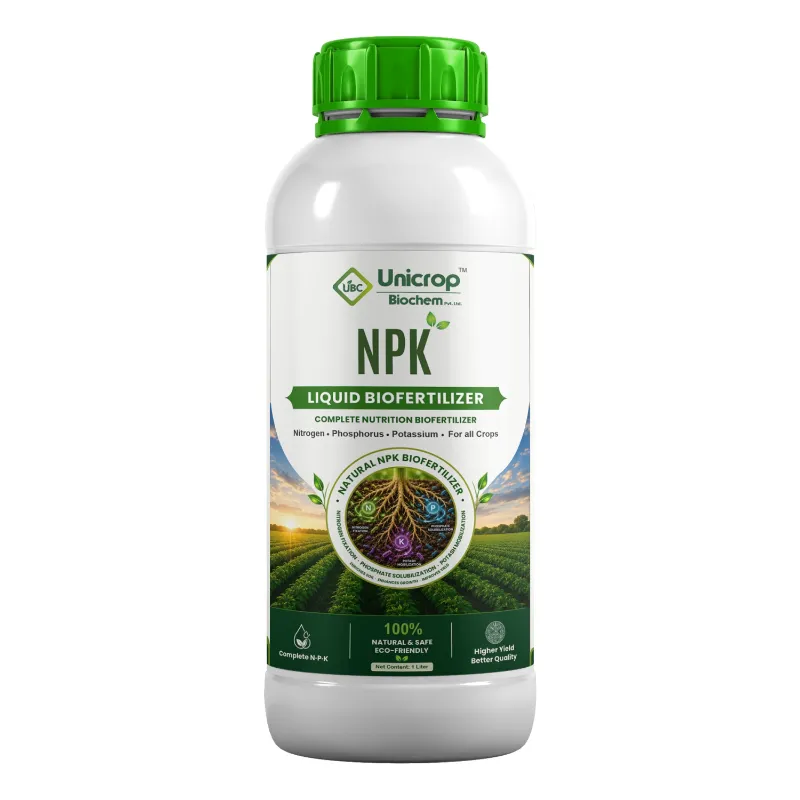
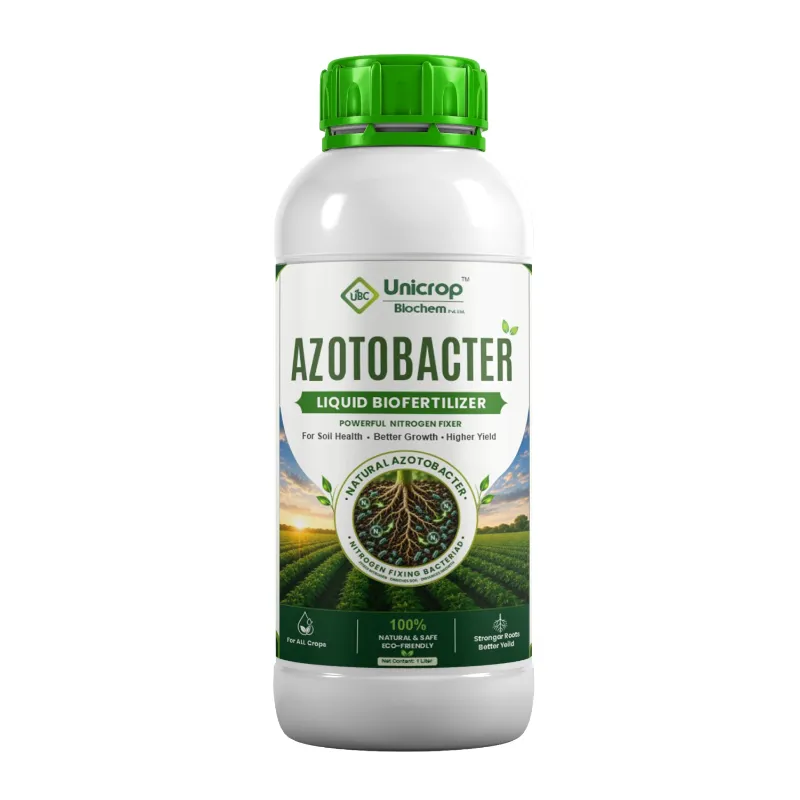
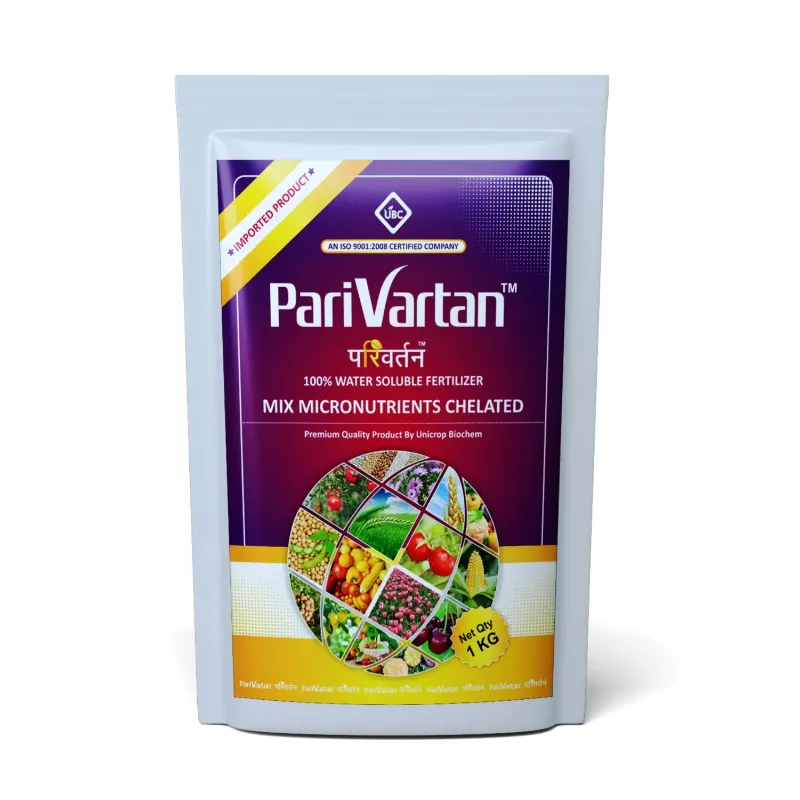
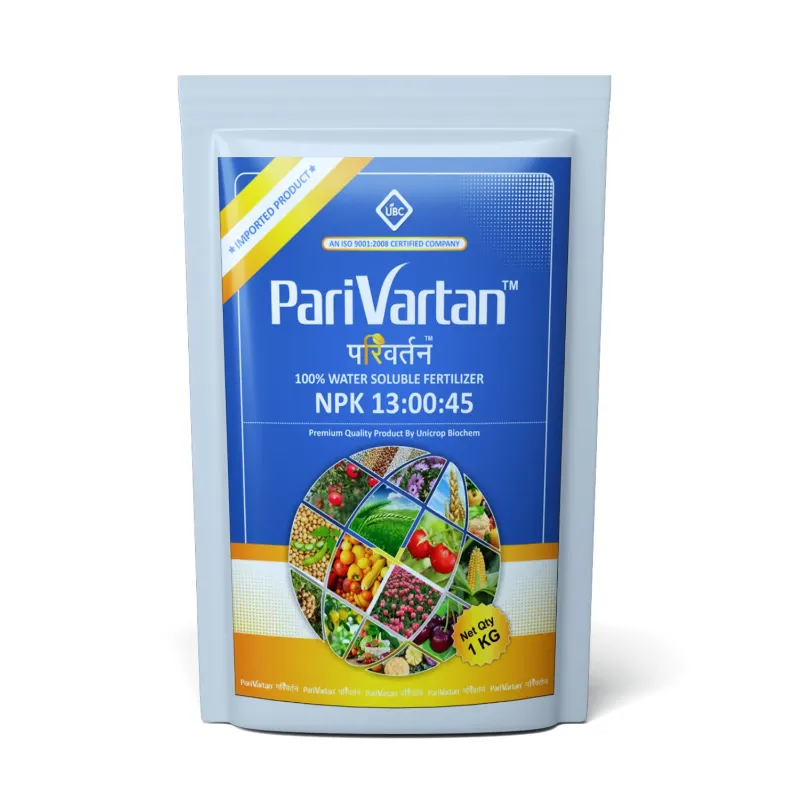
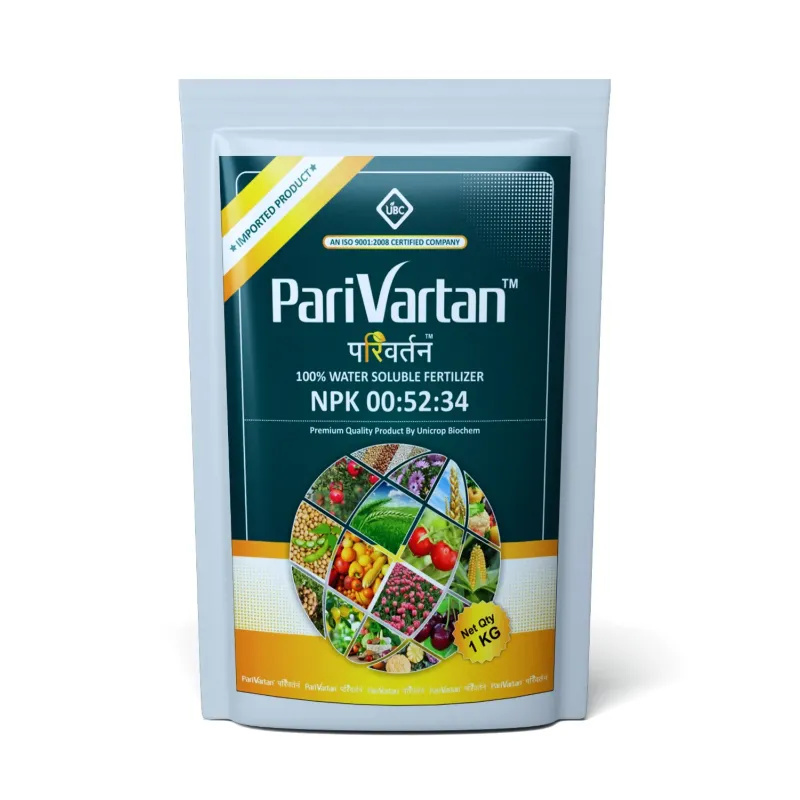
Humic acid generally works well alongside water-soluble NPK grades, chelated micronutrients and biofertilizers such as phosphorus solubilizing bacteria (PSB), potassium mobilizing bacteria (KMB) and mycorrhiza. With biofertilizers in particular, it helps create the moist, well-structured root zone those microbes need to settle in and multiply.
Combinations That Need Care
Because humic acid settles out in acidic conditions, avoid mixing it directly with strongly acidic products such as phosphoric acid or acid-based line cleaners. Concentrated solutions rich in calcium or magnesium, such as a calcium nitrate stock tank, can also make humic acid clump and settle. In these cases, apply the products separately or in different irrigation cycles. When combining with any crop protection product, check the label for compatibility first.
Do a Quick Jar Test
Before mixing a new combination in a full tank, test it on a small scale:
- Fill a clear glass jar with the same water you will use in the field.
- Add each product in the same proportion and order you plan to use in the tank.
- Stir or shake well and leave it to stand for 15 to 30 minutes.
- If you see clumps, flakes, sludge or layers separating, do not tank-mix those products.
Humic Acid vs Fulvic Acid: Which One Do You Need?
The two are closely related and often sold together, but they do slightly different jobs.
| Feature | Humic acid | Fulvic acid |
|---|---|---|
| Molecule size | Larger | Smaller |
| Solubility | Settles out in strongly acidic conditions | Stays dissolved at any pH |
| Main strength | Builds soil structure and nutrient-holding capacity | Helps move nutrients into the plant |
| Typical use | Soil application and drip | Foliar spray and drip |
| Best suited for | Improving poor or tired soils over time | Quick support at critical crop stages |
A practical approach is to use humic acid for building the soil and a fulvic-rich product for foliar feeding around flowering and fruit set.
How to Choose a Good Humic Acid Product
Quality varies widely in this category, and two packs with similar labels can perform very differently in the field.
Check the Humic Content and Source
Look for a clearly stated humic (and, where relevant, fulvic) acid percentage and the raw material it is made from. Leonardite-based products are widely used because leonardite is naturally rich in humic substances.
Match the Form to Your System
For drip irrigation, choose a grade that dissolves fully and leaves no residue in the tank. Granules suit broadcasting with the basal fertilizer, while liquids are convenient for small plots and foliar sprays.
Buy from a Reliable Manufacturer
Choose a supplier that offers consistent batch quality, clear labelling and agronomic support on dose and timing for your crop. An unusually low price for a very high percentage is worth questioning before you buy in bulk.
Common Mistakes to Avoid
- Cutting NPK doses because humic acid has been added, without a soil test to back the decision.
- Using more than the label rate in the hope of faster results.
- Tank-mixing with acidic or high-calcium solutions without a jar test.
- Spreading granules on dry soil and leaving them on the surface.
- Skipping filtration before drip injection, which can block emitters.
- Expecting a dramatic change after a single application. Soil improvement builds over seasons.
Frequently Asked Questions
Is humic acid a fertilizer?
Not in the usual sense. Humic acid supplies very little nitrogen, phosphorus or potassium. It works as a soil conditioner and biostimulant that helps plants make better use of the fertilizers you already apply.
When is the best time to apply humic acid?
The most useful windows are at sowing or transplanting, during active vegetative growth, and just before flowering. Splitting the total dose across these stages usually works better than one large application.
Can humic acid be used with biofertilizers?
Yes. Humic acid and biofertilizers complement each other, because humic acid improves the root-zone conditions the microbes need. Just keep biofertilizers away from chemical fungicides and bactericides in the same tank, as these can harm the beneficial microbes.
Can I mix humic acid with calcium nitrate?
Avoid mixing them in the same concentrated stock solution, because calcium can make humic acid clump and settle. Apply them from separate tanks or in separate irrigation cycles.
How soon will I see results?
Root and early growth responses can appear within a few weeks under good conditions. Improvements in soil structure and water holding build gradually over repeated seasons of use.
Is humic acid suitable for organic farming?
Humic acid of natural origin, such as leonardite-based products, is widely used in organic and residue-conscious farming. If you farm under an organic certification, confirm that the specific product is approved under your standard before use.
Which humic acid percentage should I choose?
Choose based on how you will apply it. Lower-percentage liquids are convenient for small farms and foliar sprays, while high-percentage grades need smaller quantities per acre and are often preferred for drip irrigation and larger areas. In every case, follow the dose on the label for that specific grade.
Conclusion
Humic acid will not replace sound fertilizer planning, but it helps that planning pay off. By improving soil structure, holding nutrients in the root zone and supporting stronger roots, it helps crops get more value from every input you apply. Start with the right grade for your soil and irrigation method, follow the label dose, check tank-mix compatibility, and give the soil a few seasons to show its full response.
Looking for the right humic acid for your crop or for bulk supply? Explore Unicrop Biochem's Humic Acid 12%, 18%, 60% and 98%, Leonardite extracts and biofertilizer range at unicropbiochem.com, or contact our team for crop-specific dosage guidance and dealer or bulk enquiries.