
Fungicides
Protection against fungal crop diseases.






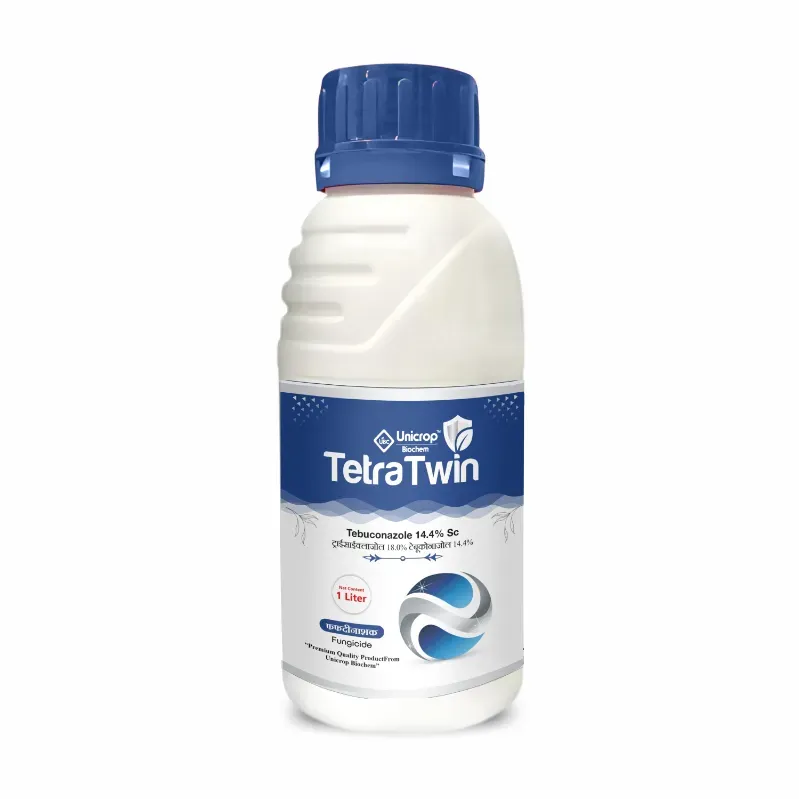




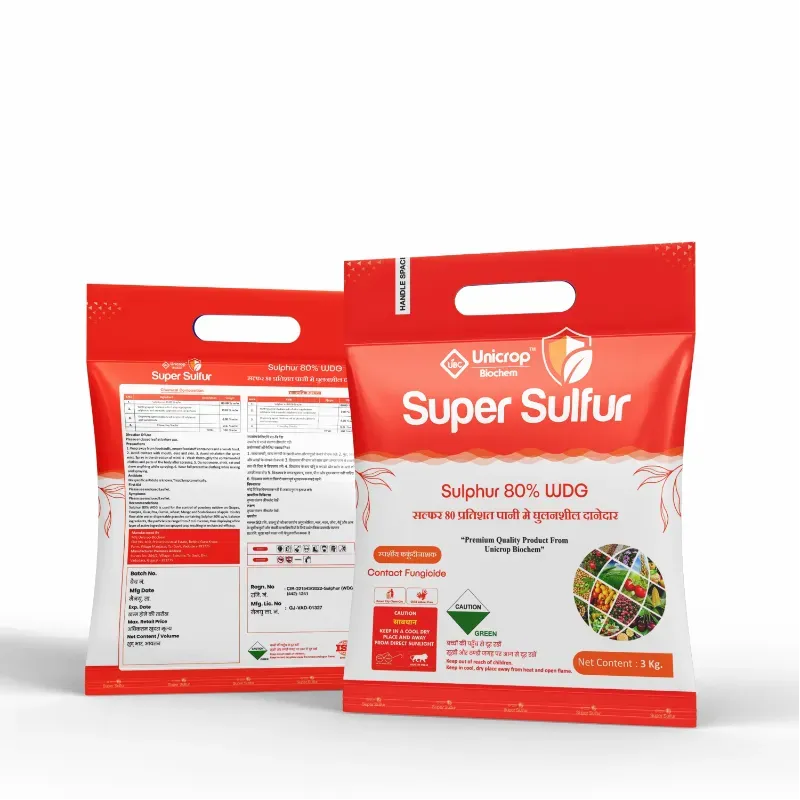










A fungicide is a crop-protection chemical formulated to kill or inhibit fungal pathogens that cause diseases such as blight, mildew, rust and rot in agricultural crops. Fungicides are broadly grouped as contact fungicides, which sit on the plant surface and protect against infection, and systemic fungicides, which are absorbed into plant tissue and can move within the plant to control an infection already underway. Common fungicide chemistries include copper-based compounds (broad-spectrum, low resistance risk), mancozeb (a protectant widely used against blight and downy mildew), and carbendazim (a systemic used against a wide range of fungal pathogens). Choosing the right fungicide class, and rotating between different modes of action, is central to preventing fungicide-resistant fungal strains from developing in a field over successive seasons.